“Can be planted” search results (10000)

Drought or "death of thirst" hidden worries of expansion behind the disorderly competition of ten thousand mu coffee in Baoshan, Yunnan Province
The continuing drought has hit the coffee industry in Baoshan, Yunnan Province, one of China's largest coffee producers. According to a survey data of Longyang District Hot work Station in Baoshan City, at present, only in Longyang District, the affected area of coffee has reached 66395 mu, and 16321 mu of coffee is facing no harvest. In addition to the impact of the drought, the low price of coffee also worries many farmers.
2014-05-13 Yunnan coffee Chinese coffee coffee beans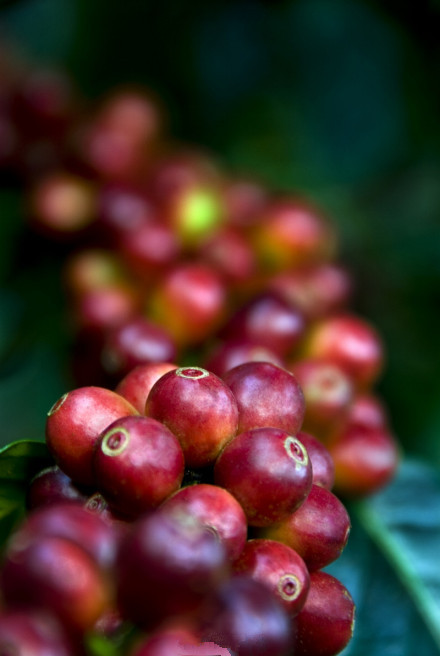
Coffee crisis with tricky tastes and fragile varieties
The price of coffee is forecast to rise by 25% by 2050. The livelihoods of 25 million people may depend on whether scientists can find a way to protect fragile coffee plants and berries. A whole year's coffee harvest may depend on the florescence of just a few days, when plants are particularly vulnerable to extreme weather. Last year, coffee leaf rust caused coffee farms in Nicaragua
2015-08-31 Coffee crisis tricky taste fragility variety
Flavor and taste characteristics of coffee manor in Tanzania with excellent flavor planting environment boutique coffee beans
Tanzania's main coffee producing area, located at the foot of Mount Kilimanjaro, is rich in volcanic soil. Some coffee trees planted here are more than 100 years old. Coffee was first introduced by Christians from Kenya to grow coffee. Coffee trees must be carefully taken care of, weeded and fertilized. And old branches must be cut off so that new branches can grow to maintain the quality of coffee beans.
2016-08-04 Flavor excellent Tanzania coffee manor producing area taste characteristics planting ring
The origin and planting conditions of coffee trees basic knowledge of coffee
The origin of the coffee tree is Ethiopia in Africa. In botany, coffee trees belong to the evergreen trees of the subgenus Rubiaceae, and coffee beans, commonly known as coffee beans, are the seeds of the fruit of coffee trees, just because they are shaped like beans, so they are called coffee beans. Climate is the decisive factor for coffee cultivation. Coffee trees are only suitable for growing in the tropics or subtropics, so latitude 25 is south and north.
2015-08-14 Coffee country of origin planting conditions basics common sense coffee origin Africa Egypt
Introduction to the planting technology of coffee the planting conditions and distribution of coffee
Coffee planting conditions and distribution 1. What is coffee? Coffee (Coffee) is derived from the Latin word Coffea (biological word name) and belongs to a member of the Rubiaceae family. These plants are all woody plants, most of which are distributed in the tropics, with more than 500 classifications and about 6000 varieties. Most of the Coffea plants are tropical 5-6 meters high.
2016-07-11 Coffee planting technology introduction condition distribution coffee
Important conditions for planting Coffee of Fine Coffee
There is a noun called coffee belt. There are more than 60 coffee producing countries in the world, most of which are located in the tropics and subtropics between the Tropic of Cancer (latitude 2326). This coffee growing area is called coffee belt (Coffee Belt) or coffee area (Coffee Zone). The annual average temperature of the coffee belt is above 20 ℃, because the coffee tree is a tropical plant, if the temperature is below 20 ℃.
2014-10-15 Coffee knowledge coffee cultivation
Costa Rican coffee planting environment, weather and climate
The research center, located about 30 kilometers northeast of San Jose, the capital of Costa Rica, belongs to the Costa Rican Coffee Association and is the research institution for planting, breeding and quality inspection of Brazilian coffee fruits in Costa rica. in addition, it also has 10 hectares of experimental plots, planting a number of excellent varieties. Coffee is the main agricultural product in Costa Rica, with an annual output of more than 2 million bags
2016-06-02 Costa Rica coffee planting environment weather climate located in Costa Rica
Alishan Mar Coffee introduces the characteristics of Taiwan's boutique coffee beans
The varieties of Alishan coffee are grown in Arabica. This kind of coffee grows in a harsh environment. Taiwan is located in the subtropics. The temperature is higher all the year round, and coffee trees like shade. If coffee trees are planted alone, they may be killed by the strong sun. The Ali Mountains are covered with forests and there are many betel nut trees, so most of his coffee trees are planted in the betel nut garden, because the betel nut trees
2016-07-20 Alishan Mazu coffee introduction Taiwan boutique coffee beans characteristics
Coffee basic knowledge Coffee grounds have the following five major functions
1. Plant nourishment. Because coffee grounds contain nutrients needed for plant growth, pouring it into the flowerpot can not only play the role of fertilizer, but also has no peculiar smell. If you make a circle around the root of the plant, you can achieve the goal of not attracting insects. two。 Deodorization and deodorization. Coffee grounds have the ability to absorb odors, so they are good helpers for deodorization. You can put the coffee grounds in a small plate and put them in the toilet
2015-04-22 Coffee basics common sense slag master to have the following function plant nourishment because
The planting conditions of Nicaraguan Coffee introduce the characteristics of Nicaraguan coffee beans
The planting conditions in Nicaragua are not inferior to those in Central American countries. Shaded coffee is grown at high altitudes. It tastes round and balanced with less sharp acid. The main unknown factor is war and hurricanes, which make a single farm unsustainable. There is no historical data for raw bean merchants to track and check farm data until after 2003, the bad factors of coffee quality are removed and backward intercourse.
2016-07-16 Nicaragua coffee cultivation conditions environment introduction coffee beans characteristics Niagara
An introduction to the characteristics of the pure Ethiopian Sidamasha Chiso coffee flavor manor.
Coffee is Ethiopia's main economic crop and the country's largest crop export and important industry. It accounts for 60% of Ethiopia's total export value and supports many small farms, as well as sugar, bananas and cotton. It is also Ethiopia's largest and important commodity export crop after oil, and it is also the largest export of Elaraby in Africa, in 1997.
2016-08-08 With pure Ethiopia Dharma Shaquiso coffee flavor taste manor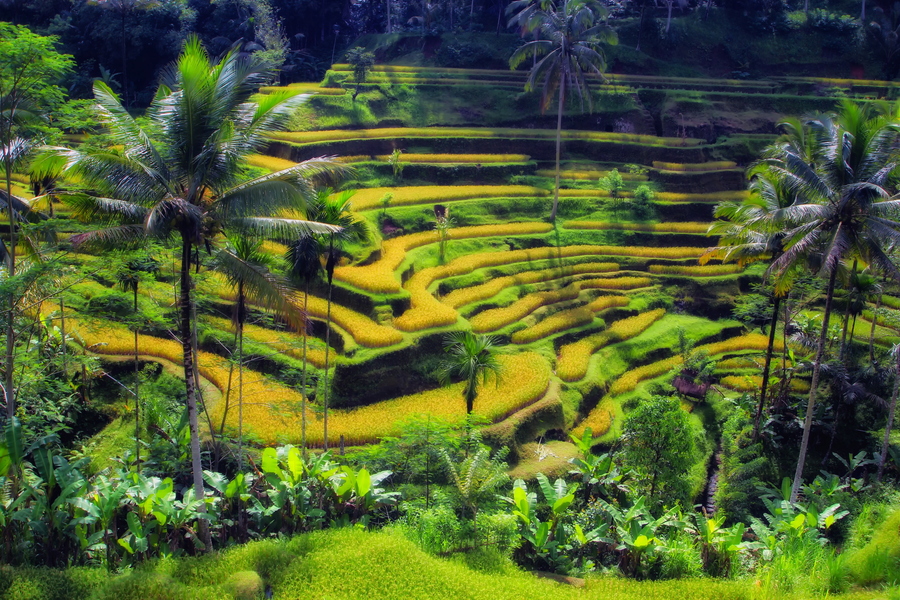
China Coffee Network introduces the cultivation of coffee in Yunnan Coffee planting history of Yunnan coffee should be planted in Yunnan
The western and southern parts of Yunnan Province are located between 15 N latitude and the Tropic of Cancer. Most of the areas are 1000 mi 2000 meters above sea level. The topography is dominated by mountains and slopes, with large ups and downs, fertile soil, sufficient sunshine, rich rainfall and large temperature difference between day and night. These unique natural conditions form the special taste of Yunnan small grain coffee, which is rich but not bitter, fragrant but not strong, and slightly fruity. As early as fifty
2016-03-28 China Coffee introduction Yunnan planting History suitable planting Yunnan Province West South
What is the quality of Yunnan small grain coffee? Yunnan Coffee planting and processing to make roasted Coffee
Yunnan small-grain coffee, that is, Arabica coffee, now belongs to an awkward position in the international market as well as in China. For example, coffee shops rank low in individual coffee, and the cheapest coffee is Yunnan coffee. This is an issue that cannot be avoided. Yunnan can be said to be the only province that still grows Arabica in a large area, and the main planting areas are concentrated in
2016-03-15 Yunnan small grains coffee quality how planting processing baking single product cloud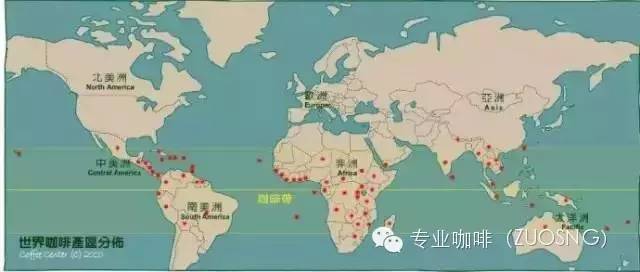
The Historical Progress of Coffee in China: how did Coffee enter China?
The history of coffee introduced into China is not long, and it was not until 1884 that coffee was first planted in Taiwan. In the mainland, the earliest coffee cultivation began in Yunnan. At the beginning of the 20th century, French missionaries brought the first batch of coffee saplings to Binchuan County, Yunnan Province, and coffee began to be grown on the mainland. In terms of natural conditions, many parts of our country, Latin America, South America, India and India
2015-12-09 Coffee China history progress decryption how to enter
Cultivation techniques of small-grain coffee: irrigation and fertilization
Fertilization is one of the key measures for high yield of cultivated coffee. According to the data, for every 1 kg of dried beans harvested, coffee trees absorb 70 grams of nitrogen, 14 grams of phosphorus and 76 grams of potassium from the soil.
2014-06-17 Coffee knowledge small grain coffee coffee cultivation techniques
Important conditions for coffee cultivation three necessary environmental factors for planting coffee trees
There is a noun called coffee belt. There are more than 60 coffee producing countries in the world, most of which are located in the tropics and subtropics between the Tropic of Cancer (latitude 2326). This coffee growing area is called coffee belt (Coffee Belt) or coffee area (Coffee Zone). The annual average temperature of the coffee belt is above 20 ℃, because the coffee tree is a tropical plant, if the temperature is below 20 ℃.
2015-05-18 Coffee cultivation important condition 3 necessity environment factor have a noun
Planting coffee trees requires the weather, climate and soil quality of the province.
1. Arabica coffee is not resistant to high temperature and humid climate, nor can it stay at a low temperature below 5 ℃ for a long time, so it is mostly planted on steep slopes at elevations of 1000 to 2000 meters above sea level. On the other hand, Robusta caffeine is adaptable (Robusta means tenacious) and is mostly grown in lowlands below 1000 meters above sea level. The average rainfall for the whole year is in
2016-06-01 Planting coffee need province weather climate soil conditions rabbi
Introduction of Herbal Coffee in Qifeng Town of Lu County Opens a New Channel for Farmers 'Income Increase
On July 18, when the author came to Jinyu Village, Qifeng Town, Lu County, villagers Chen Dazhang, Li Baoshan and other people were busy loosening soil and weeding herbal coffee in the field. "If the harvest is good in August this year, he will continue to expand the planting scale." Chen Dazhang pointed to the coffee on the slope and said,"We have planted corn, sorghum, wheat and other crops, but this is the first time to grow herbal coffee."
2014-07-23 Coffee News Herbal Coffee Lu County New Channel
Coffee planting knowledge planting and picking of Coffee trees
One of the characteristics of a coffee tree is that its fruit can bear fruit several times a year, and another is that flowers and fruits coexist at different stages of ripening. If the fruit is too ripe, the beans in it will rot. If the beans are not ripe, the beans will not ripen by themselves. So bean pickers often go through the same tree several times to find ripe fruit, but try their best.
2014-11-26 Coffee knowledge coffee planting coffee tree planting coffee picking
Introduction to the planting and Scientific Research of Costa Rican Coffee
The research center, located about 30 kilometers northeast of the capital San Jose, belongs to the Costa Rican Coffee Association and is the research institution for planting, breeding and quality inspection of Brazilian coffee fruits in Costa rica. in addition, it also has 10 hectares of experimental plots, planting a number of excellent varieties. Coffee is the main agricultural product in Costa Rica, with an annual output of more than 2 million bags (60 kg).
2016-06-18 Costa Rica coffee cultivation scientific research methods introduction boutique located in the capital